

You don’t have to be a science teacher to enjoy all of the cool science tricks and special effects that Halloween has to offer. This collection of spooky ideas continues to grow and is guaranteed to make you the hit of any Halloween party.
Halloween Science Kits
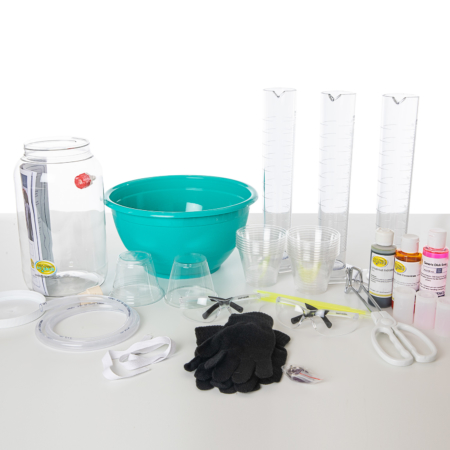
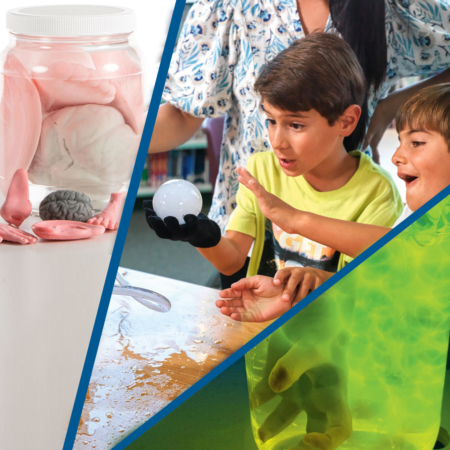
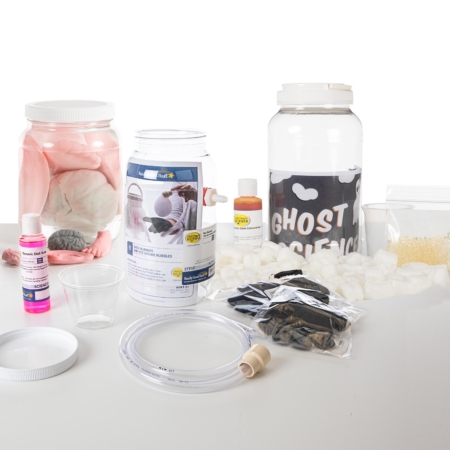
Steve Spangler and his team of Halloween science ghouls created a great variety of Halloween Science Kits that include everything you need to produce an amazing Halloween party. Okay, you have to get the dry ice at your local grocery store, but we’ll send you everything else. Guaranteed ooohs & ahhhs!
Dry Ice Safety
If you love to perform science demonstrations, Halloween is a wonderful excuse to fill the cooler with dry ice, but it's also important that you understand the science of dry ice and how to best to handle it safely. Be sure to read these safety tips before experimenting with dry ice.
It’s amazing how much fun you can have with 10 pounds of dry ice, a few graduated cylinders and a squirt of dish soap. Steve Spangler shares his favorite dry ice experiments that are perfect for your Halloween party. From Burping Water to Smoking Pumpkins and Bursting Smoke Bubbles, you’ll learn how to make the most of that supply of dry ice.
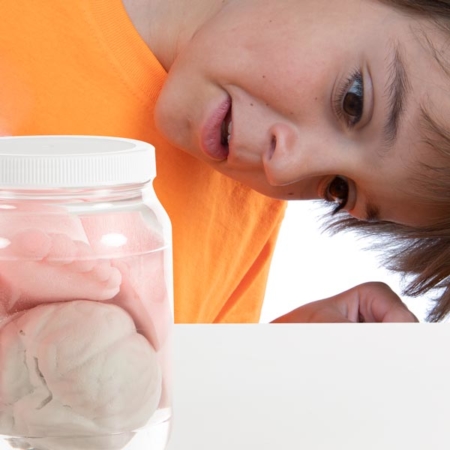
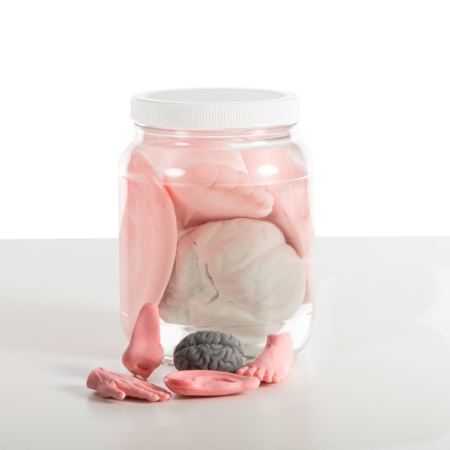
Every mad scientist has a large specimen lab jar filled with body parts - a severed hand, a lopped off ear, a big fat nose and a pickled brain - floating in a jar filled with water. The best part of all is that these body parts start off small and get bigger the longer they stay in the water until they reach their maximum size.
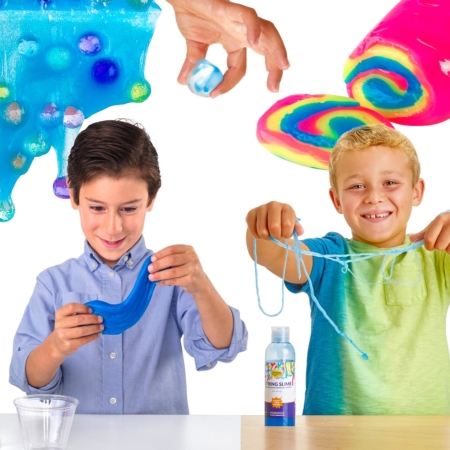
Halloween and slime go hand in hand, so our Slime-ologists at the Spangler Science Labs have been hard at work developing new slimy recipes. Everyone knows about slime made with Elmer's Glue, but our PVA Slime formula makes the best slime you've ever seen. Check out Snake Eye Slime, Lizard Slime, Popping Eyeball Slime, Glow in the Dark Slime, Atomic Slime... and that’s just the beginning of the slimy fun.
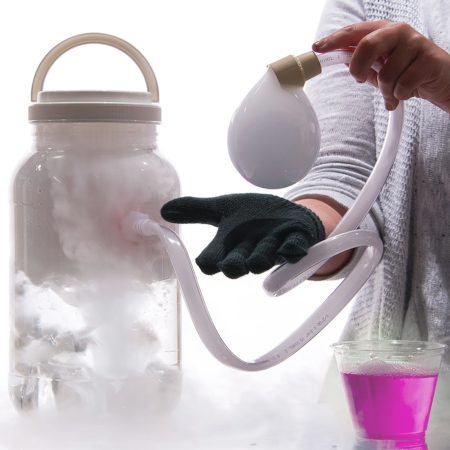
Boo Bubbles are what you get when you fill a bubble with a carbon dioxide cloud using Steve Spangler’s cloud bubble generator. But he saved the best until last because you’ll learn how to roll and bounce the bubbles in your hands. It’s the combination of science and performance art!
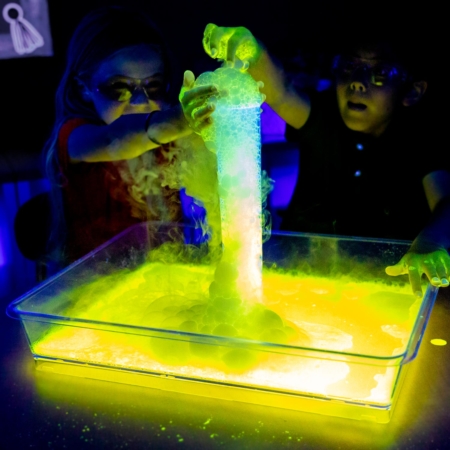
Tonic water might not be your first choice for a beverage, but you might learn to like it more when you discover its glowing blue color under black light. The secret is a chemical in the tonic water called quinine, a substance that naturally fluorescences an eerie bluish color under black light. Make a tray of ice cubes using tonic water and add them to a colorless beverage like Sprite or 7-Up. The glowing cubes look great under black light. But the best is maybe a glowing tonic geyser... check out Steve Spangler’s video to see how he turned the Mentos Geyser into a glowing liquid light.
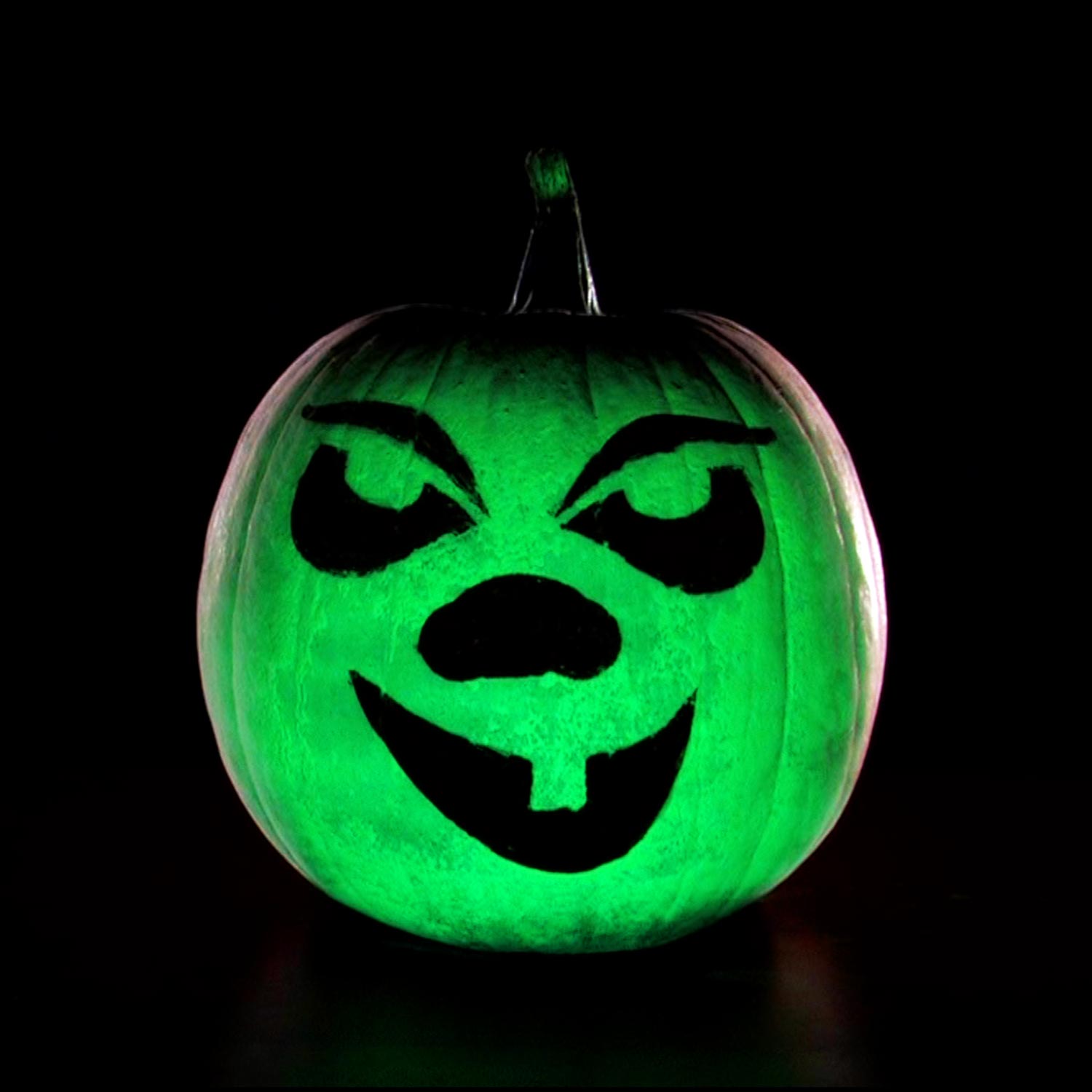
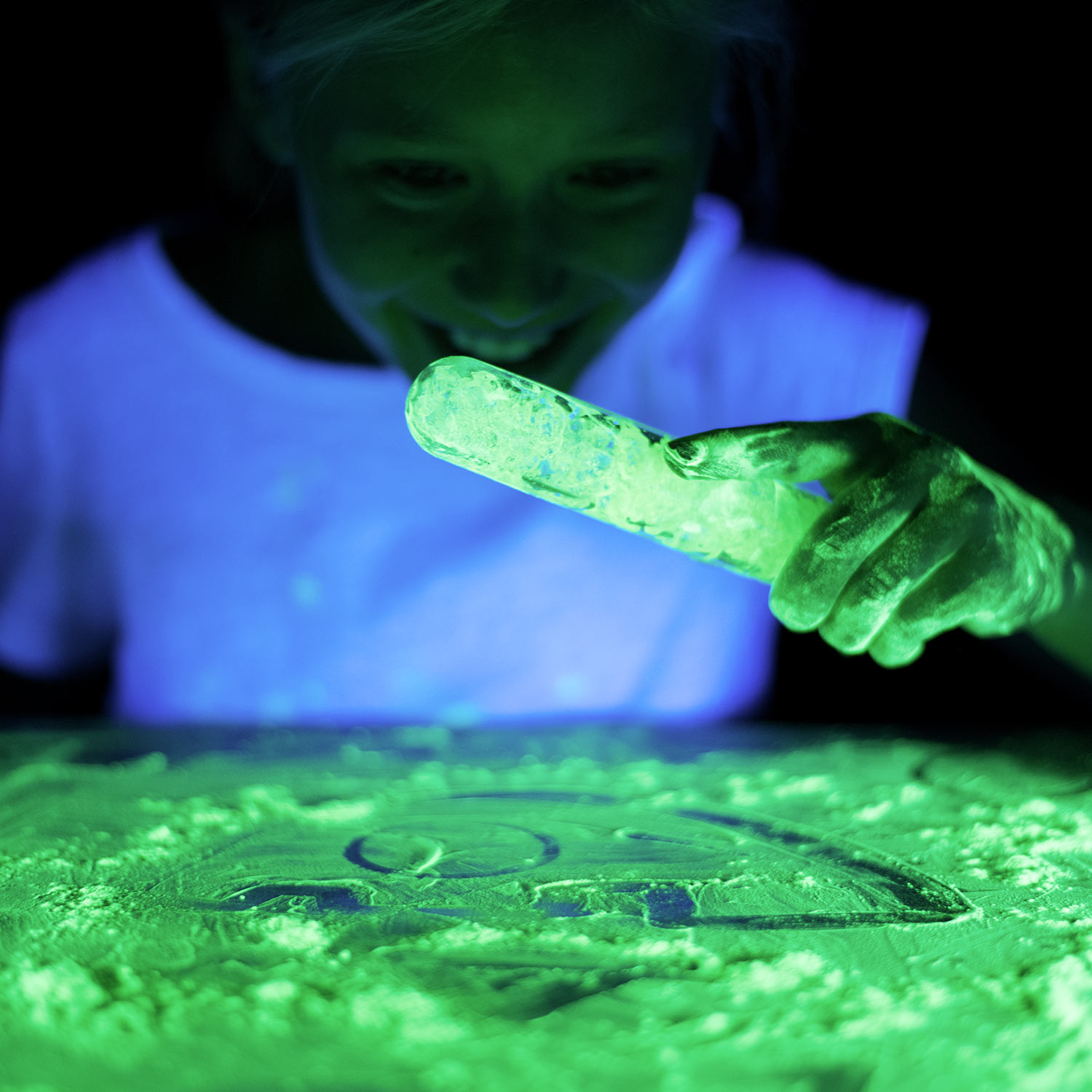
It’s easy to make your pumpkins glow in the dark using the Spangler Science Glow Powder... and you don’t even have to carve the pumpkin. Add Glow Powder to glue to write out glowing messages or dust a large poster board with Glow Powder to freeze a shadow.
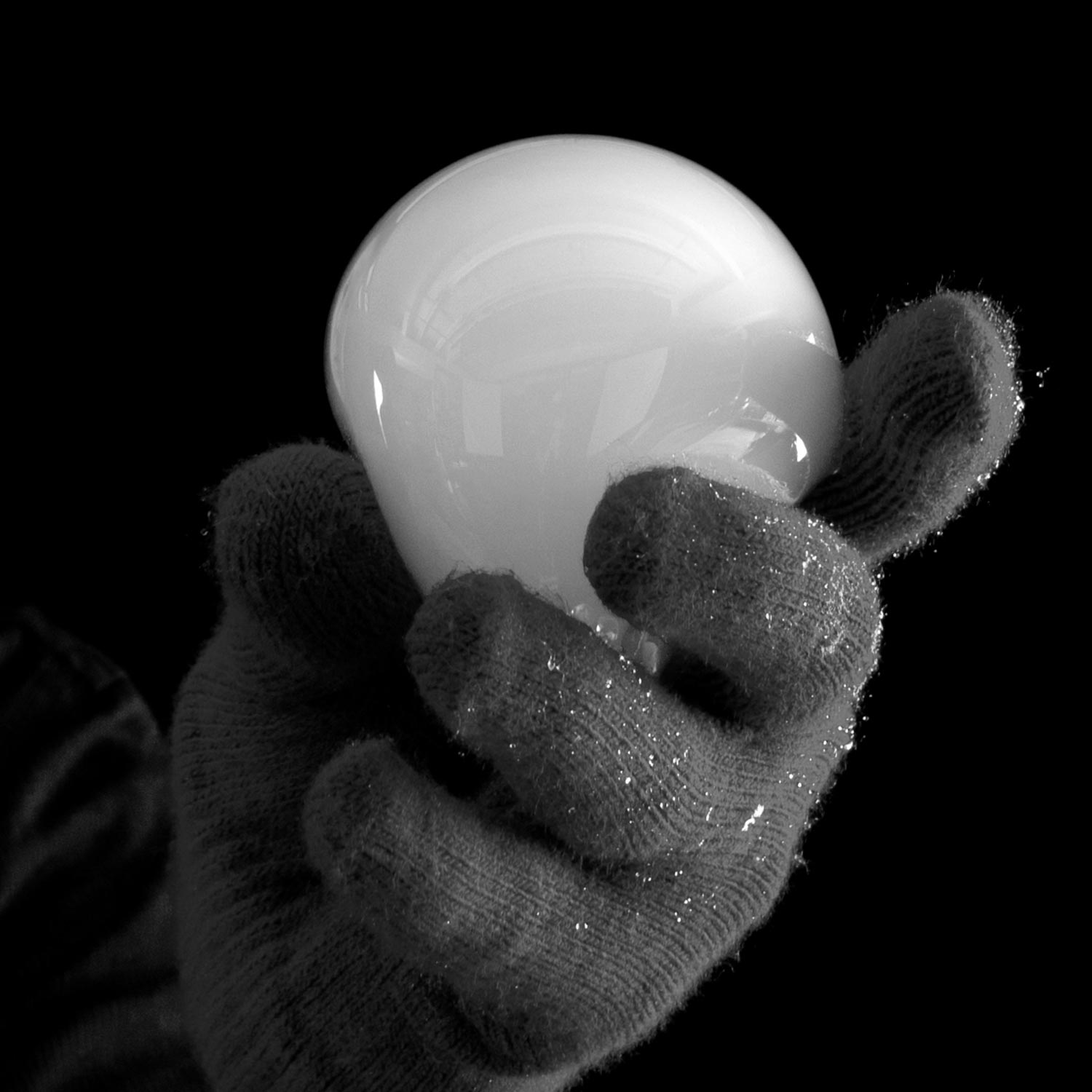
It's the world's coolest crystal ball. Create a soap film on the rim of the bucket and you'll have what appears to be a crystal ball filled with a cloud-like mixture of water vapor and carbon dioxide. When the giant bubble bursts, the cloud of "smoke" falls to the floor followed by an outburst of ooohs & ahhhs!
Eerie green glowing liquids are a must for every mad scientist. It’s easy to make almost any liquid glow using Steve Spangler’s Atomic Glow. Under normal light, the Atomic Glow coloring turns the water a cool greenish-yellow color. Just flip on the black light and Atomic Glow makes the liquid glow.
Just give the plastic light stick a little "snap" and a shake and the liquid inside begins to glow. Some people call it liquid light. Light sticks are more popular than ever and have become almost required apparel for Halloween to cast an eerie glow on the candy seekers. Light sticks are also a great and inexpensive teaching tool for students to learn how temperature affects the rate of the chemical reaction.
Just consider it a new way to carve a pumpkin at Halloween... the pumpkin is actually carved in the traditional way, but the pieces of the jack-o-lantern face get pushed back into place. A chemical reaction is triggered inside the pumpkin and the previously carved pieces are literally blown out of the pumpkin. Okay, it’s an explosion. When Ellen DeGeneres wanted Steve to share a few of his favorite Halloween science tricks, the Exploding Pumpkin was on the top of the list.
What would Halloween be without spooky sounds? Here's an easy-to-do experiment using only a balloon and a hex nut from the hardware store. Be sure to buy enough supplies for all of your Halloween party guests because everyone is going to want a screaming balloon!
The next time you have a craving for a sparkling beverage, make your own batch using what you know about dry ice. Fill a bowl or pitcher with apple juice and use gloves or tongs to add a few large pieces of dry ice. While the mixture is bubbling and burping, the apple juice is being carbonated by the dry ice. That is, carbon dioxide gas is mixing with the juice to make a “sparkling” drink. Wait until the dry ice is completely gone before serving the apple juice. It’s a spooky, carbonated drink.
Imagine reaching into a jar filled with slimy, gooey eyeballs for Halloween. The secret is a special water-absorbing polymer called Jelly Marbles. Just add water and the tiny beads absorb 300 times their weight in water and turn into... well... eyeballs. Add a little of Spangler’s Atomic Glow and you have glowing eyeballs. Once you touch them, you won’t be able to put them down.